How to avoid scams when buying or selling a car
Deposit requests, fake payments, SMS codes, rolled-back mileage and problem paperwork — the most common car scams and how to protect yourself.
Contents5
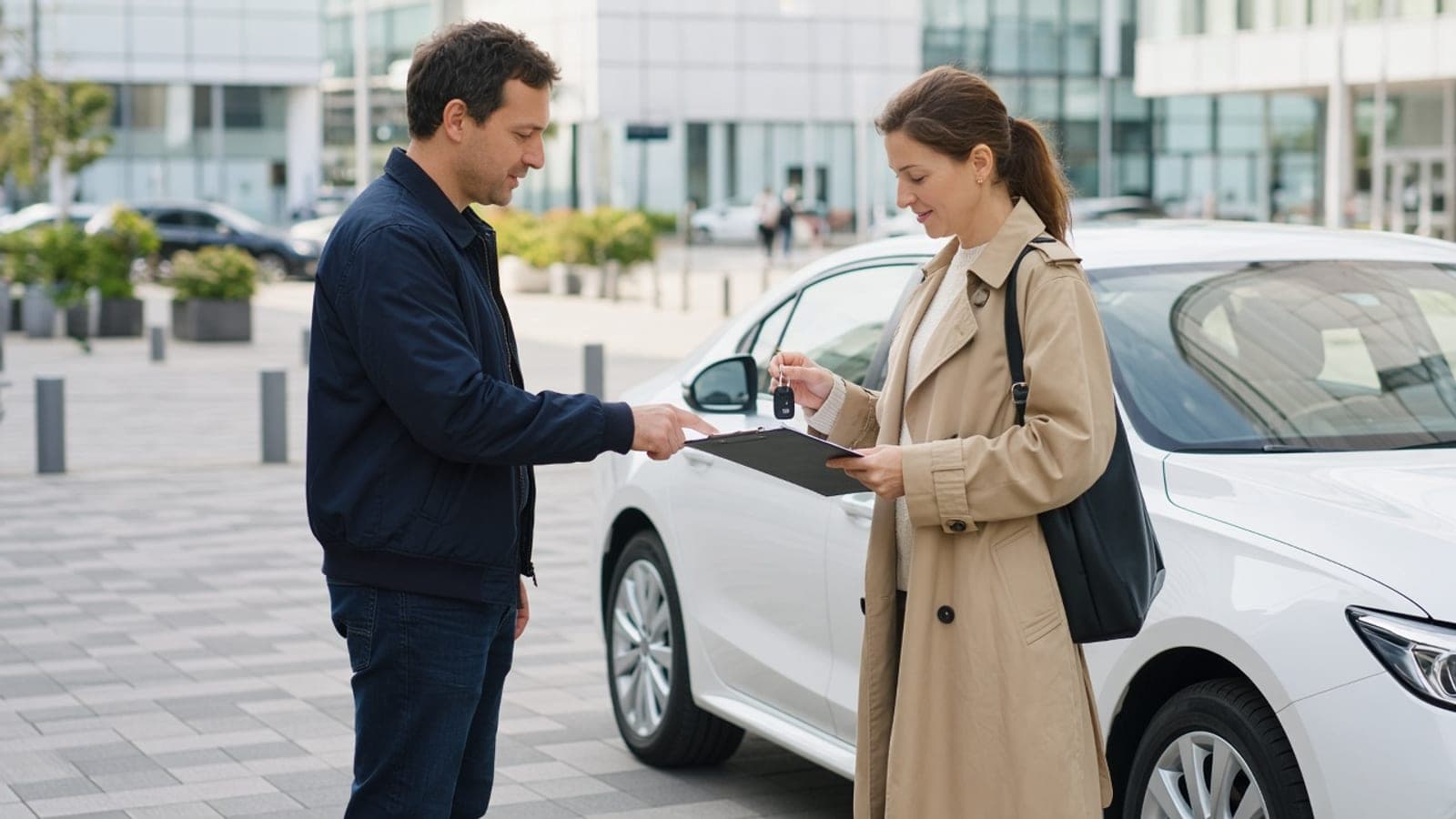
Online listings have made buying and selling cars much easier — and scammers use them too. The good news is that most schemes look alike, and a few simple rules protect you from nearly all of them.
Scams aimed at buyers
A deposit for a car you haven't seen
The most common scheme: the price is well below market, and the seller asks for a deposit (beh) to "hold" the car because "other buyers are interested". Once you transfer the money, the seller disappears.
Rule: never pay anything before you've seen the car, inspected it and checked the documents.
"The car is in another city — I'll ship it"
The seller says they're abroad or in another city and offers to "deliver" the car after payment. A real seller is ready to show the car; if they can't, walk away.
A suspiciously cheap car
A low price isn't always a scam — it may be an urgent sale. But compare it with the average market price: if the gap is large, ask why. The Hot deals section automatically collects listings at least 15% below the average for the same make, model, year and mileage — check those just as carefully.
Rolled-back mileage
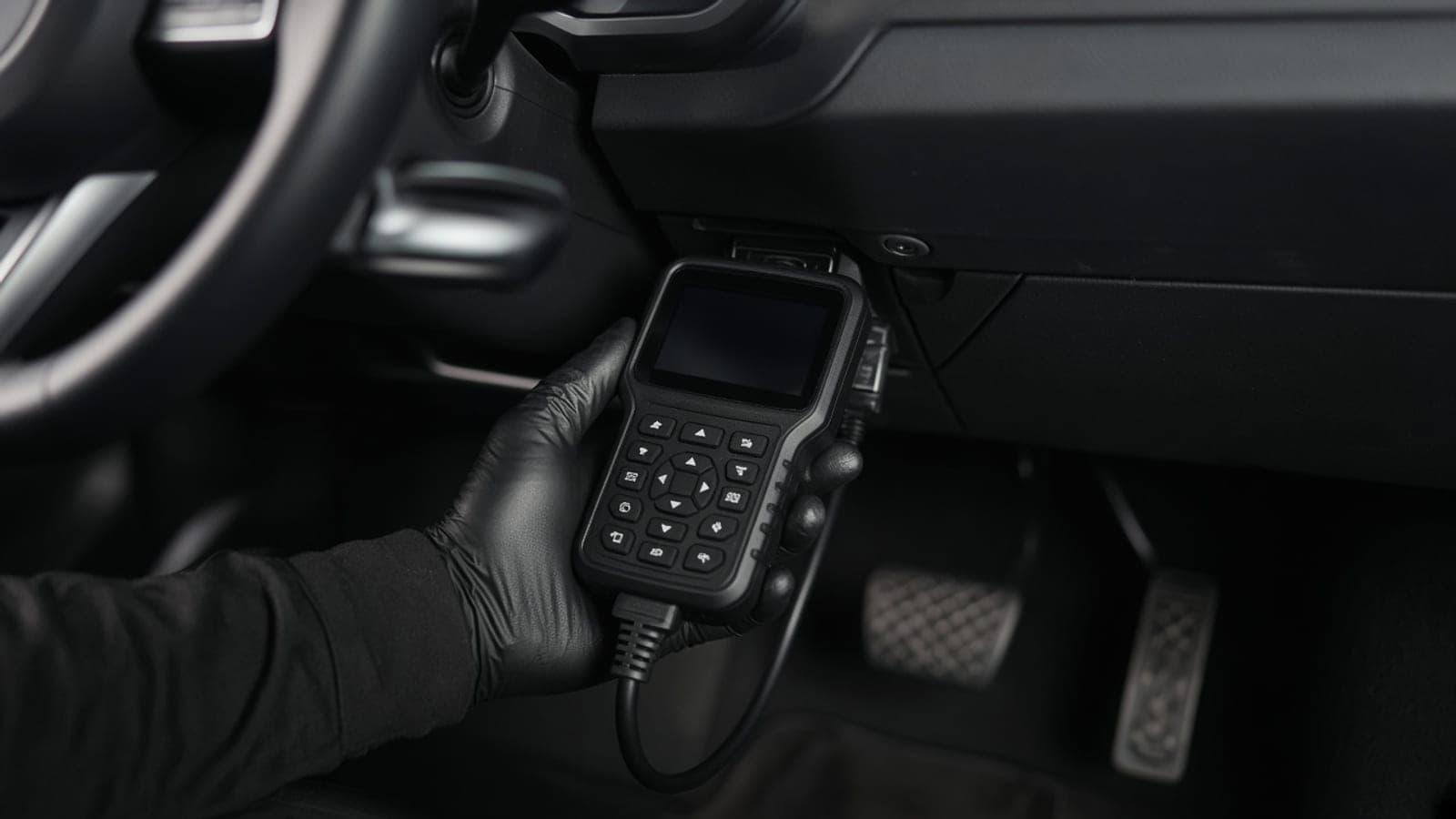
A car with its odometer wound back sells for more. Warning signs: wear on the steering wheel, pedals and seat doesn't match the stated mileage, or service records show higher numbers. A computer diagnostic sometimes reveals different mileage figures stored in different control units.
Hidden accidents and problem paperwork
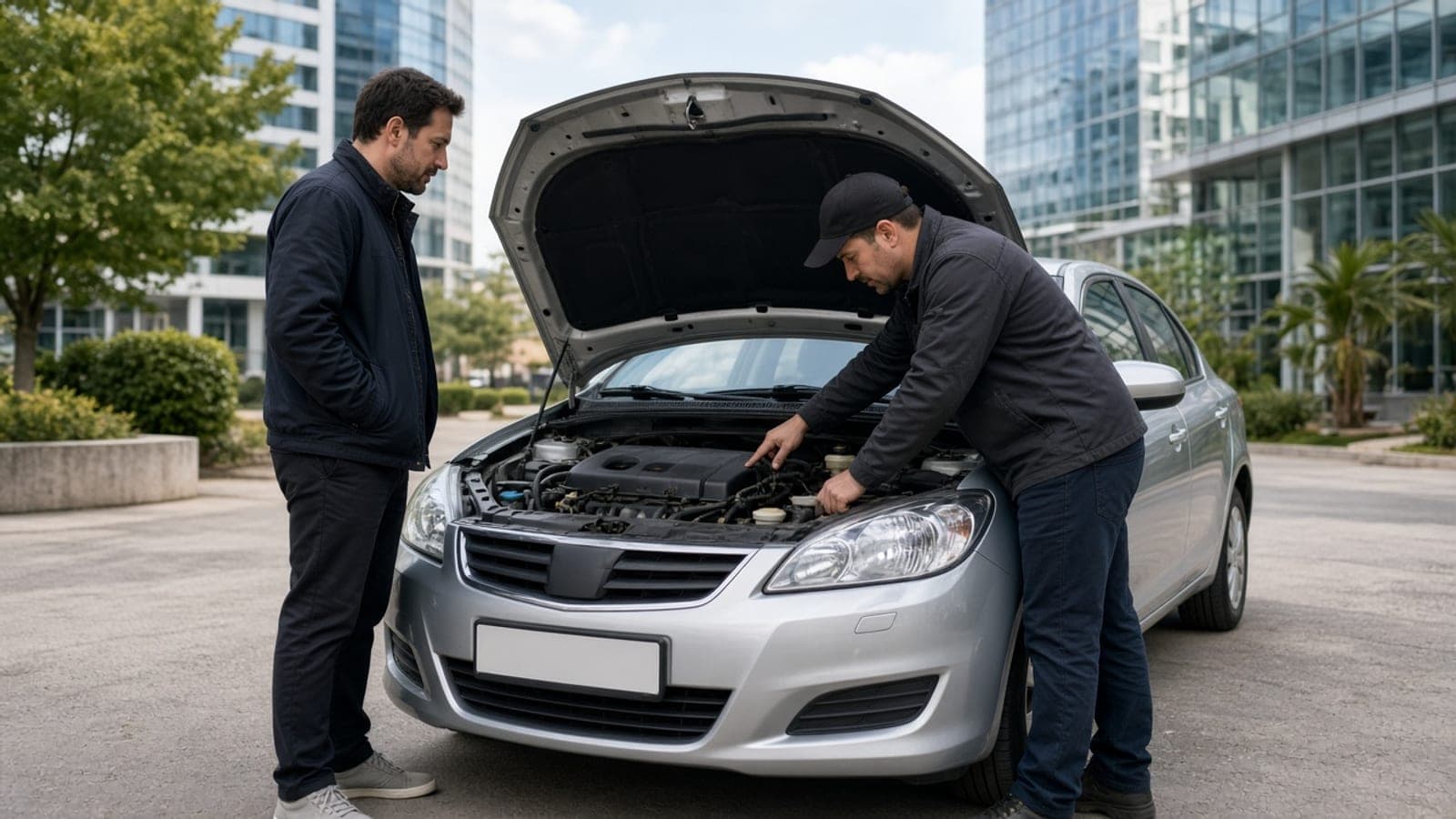
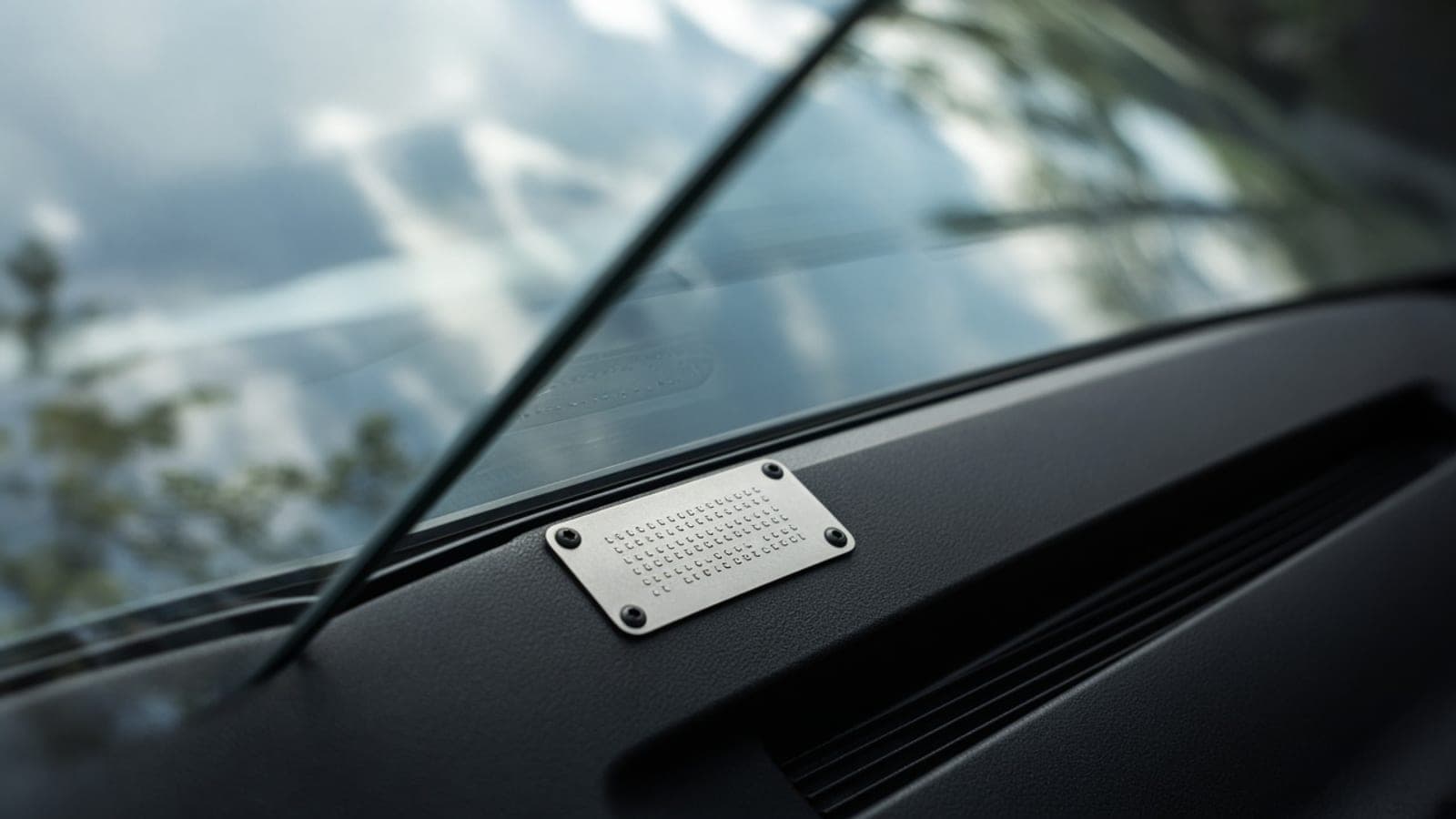
Cars rebuilt after a serious accident, cars under a loan or pledge, and cars registered to someone else are often sold as "clean". Check the VIN, compare the owner on the documents with the seller's ID card, and have the car inspected at an independent garage.
Scams aimed at sellers
Fake payment confirmations
The buyer says "I've paid" and sends a screenshot of a bank receipt or app. A screenshot is not proof of payment. Hand over the keys and documents only once the money has actually arrived in your account, or after counting cash at a bank.
"I need your card details and an SMS code to send the money"
The buyer sends a link to "receive the payment", or asks for your full card details, CVV or an SMS code. You never need a CVV or SMS code to receive money. Never share them, and never enter card details on links sent to you in chat.
Overpayment and "please refund the difference"
The buyer "sends" more than agreed and asks you to return the difference. Later the original payment turns out to be fake or reversed. Never refund a difference — if the extra amount hasn't genuinely arrived in your account, stop the deal.
Simple rules for both sides
- Meet in daylight, in a public place.
- Pay only after the documents have been checked, as part of completing the paperwork.
- Keep conversations and agreements in writing.
- If the other side is rushing you, stop — scammers always create time pressure.
- Don't share personal information (a photo of your ID, card details) unless it's genuinely needed.
If you see a suspicious listing
Press the "Report" button on the listing and choose "Suspected Fraud". Listings on Motoro are moderated before they're published, and reports help catch suspicious ones quickly.
For a safe purchase, use our used car buying checklist; for a safe sale, see our guide to selling your car.
Frequently asked questions
Is it OK to pay a deposit to hold a car?
Only after you've seen and inspected the car, checked the documents, and agreed the deposit terms in writing. Never pay a deposit for a car you haven't seen, especially by remote transfer.
The seller will only sell under a power of attorney — is that a scam?
Not necessarily, but it's risky: with a power of attorney (etibarnamə) you don't become the car's legal owner. Ask why, and insist on a full transfer of ownership whenever possible.
How can I tell if the mileage has been rolled back?
Compare wear on the interior and controls with the mileage, look at the service records, and get a computer diagnostic. If doubts remain, negotiate the price accordingly or look for another car.
What should I do if I've sent money to a scammer?
Call your bank immediately and try to stop or reverse the transfer, then report it to the police. Keep the messages, the listing link and the payment details.