How much is my car worth? Finding its real market value
Find your car's real market value in 4 steps — average price, similar listings, condition and mileage — and learn what pushes the price up or down.
Contents6
Whether you're about to sell a car or buy one, the first question is the same: what is it actually worth? Price it too high and the listing sits for weeks; too low and you lose money. This guide shows how to find the real market value in four steps, and what drives the price up or down.
1. Start with the average market price
On the average market price page, choose the make, model and year to see the average price for those cars and how it has changed over recent months. That's your starting point: your car's value is most likely around this figure.
2. Compare similar listings
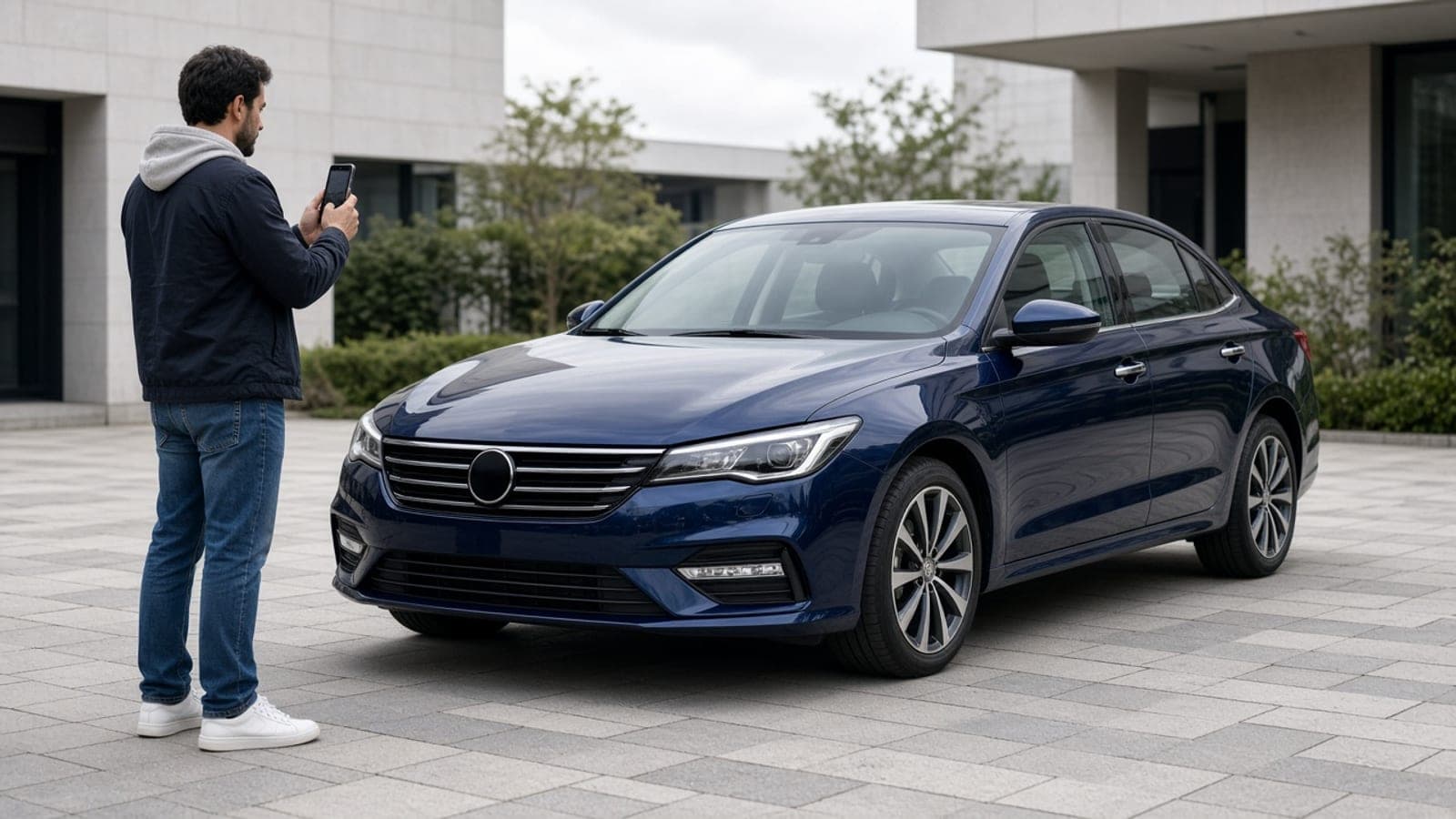
An average lumps every condition together. For a sharper picture, find the listings closest to your car among current listings:
- the same model and engine;
- model year ±1;
- similar mileage;
- the same gearbox and a comparable trim.
The price range of 5–10 such listings is your realistic "corridor".
3. Adjust for condition
Place your price higher or lower within that corridor depending on your car.
What pushes the price up:
- low mileage and one owner;
- a full service history with receipts;
- an accident-free body with no repainted panels;
- a popular trim and extra equipment;
- complete, fully formalised documents.
What pushes the price down:
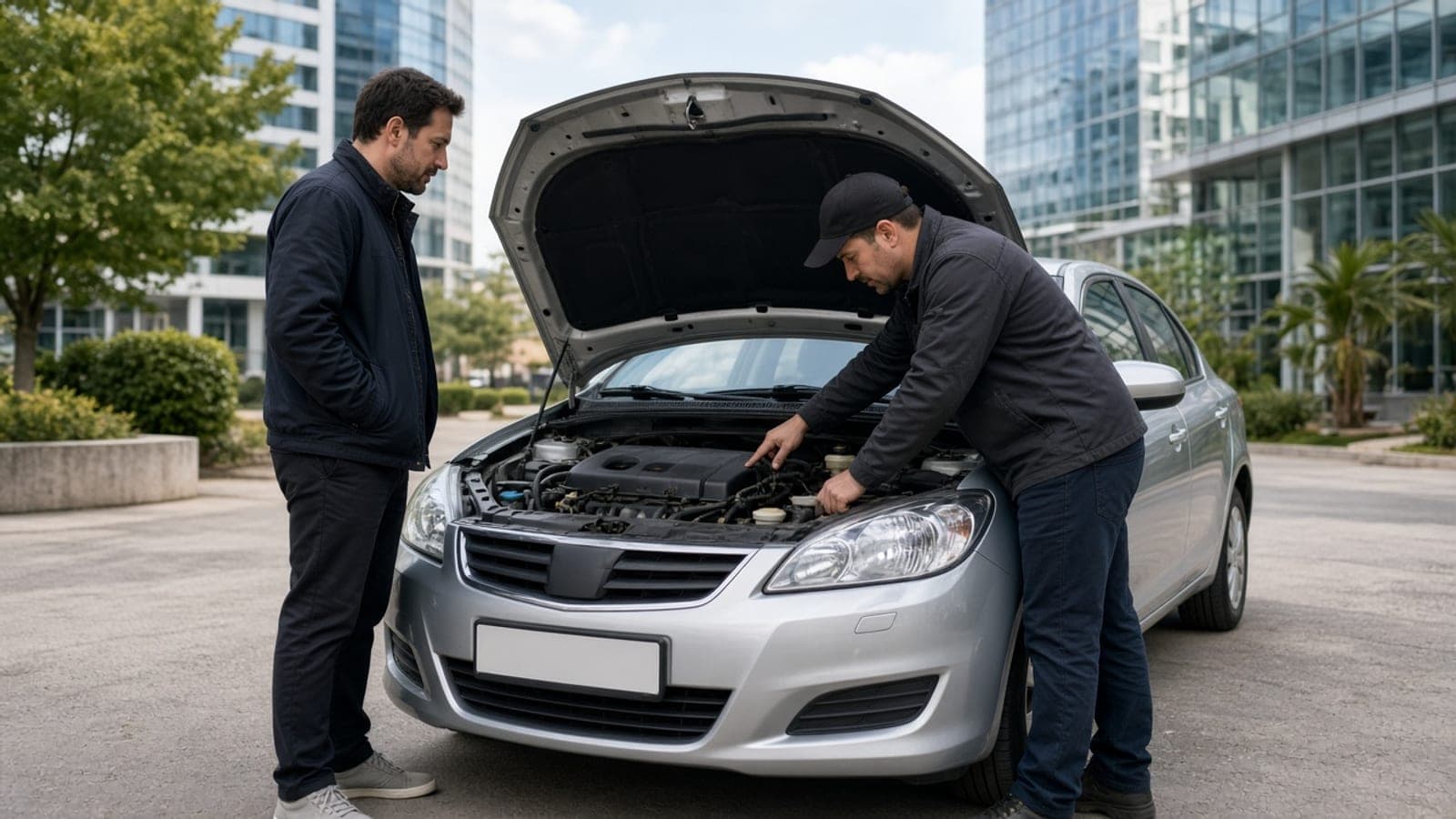
- accident history, replaced or repainted panels;
- high mileage, or wear that doesn't match the mileage;
- faults needing repair, warning lights on the dashboard;
- no service history;
- a sale under a power of attorney, or paperwork problems.
4. Don't confuse asking prices with selling prices
The figures you see in listings are what sellers are asking, not what cars finally sell for. Real sale prices usually end up a little lower after negotiation. Leave a small margin to negotiate when you list, but don't start with an unrealistic price — a listing gets the most views in its first days.
What affects a car's price most
- Demand for the make and model. Popular models with easy-to-find parts hold their value better.
- Age. Cars lose most of their value in the first years; after that depreciation slows down.
- Mileage. For the same year, a lower-mileage car is always worth more.
- Condition and history. Accident-free cars with service records sell faster and for more.
- Engine and fuel type. Prices move as demand shifts — see our fuel type guide.
Once you know the price, prepare your listing with our tips for selling your car fast and post your listing.
Frequently asked questions
How accurate is the average market price?
It's the average for cars of that make, model and year, across all conditions and mileages. It's a good starting point; for a precise price, combine it with similar listings and your car's condition.
Why are offers for my car lower than the prices in listings?
Listings show what sellers are asking; the real price after negotiation is usually a little lower. Buyers also ask for discounts because of accidents, repaints or a missing service history.
What matters more, mileage or year?
Both matter, but for the same year a lower-mileage car is clearly worth more. Very high mileage for the car's age worries buyers, while very low mileage makes them check whether it has been rolled back.
How much does a repainted panel lower the price?
It depends on the panel and the reason: a bumper repainted after a scratch isn't the same as a pillar replaced after an accident. Be honest and explain what was repainted and why — hidden repaints that come out at the viewing knock the price down more.