Dealer or private seller: where is it better to buy a used car?
The pros and risks of buying a used car from a dealer or a private seller: price, warranty, paperwork, credit and trade-in — and how to choose.

Contents7
When you decide to buy a used car, one of the first questions is: go to a dealership, or buy straight from the owner? Both have real advantages, and the right choice depends on your budget, your time and how much risk you're comfortable with.
Advantages of buying from a dealer
- Wide choice in one place. You can compare several makes and models side by side on the same day.
- Prepared cars. Dealers usually clean cars and fix minor problems before selling them.
- Trade-in and credit. Many dealers accept your old car as part-exchange (barter) and help arrange a loan through partner banks.
- Help with paperwork. The dealer often handles the formalities.
- Sometimes a warranty. Some dealers offer a limited warranty on the engine and gearbox — if they do, get the terms in writing.
Disadvantages of buying from a dealer
- Prices are usually higher. The dealer's costs and margin are built into the price.
- Less is known about the car's history. The seller isn't the person who drove it, so they may know little about how it was used.
- Sales pressure. "Buy today and get a discount" can push you into a hasty decision. Ask about add-ons and insurance separately.
Advantages of buying from a private seller
- Prices are often lower. With no middleman, there's more room to negotiate.
- First-hand history. The owner can tell you when they bought the car, where it was serviced and which parts were replaced.
- Service records. Careful owners keep receipts and a service book.
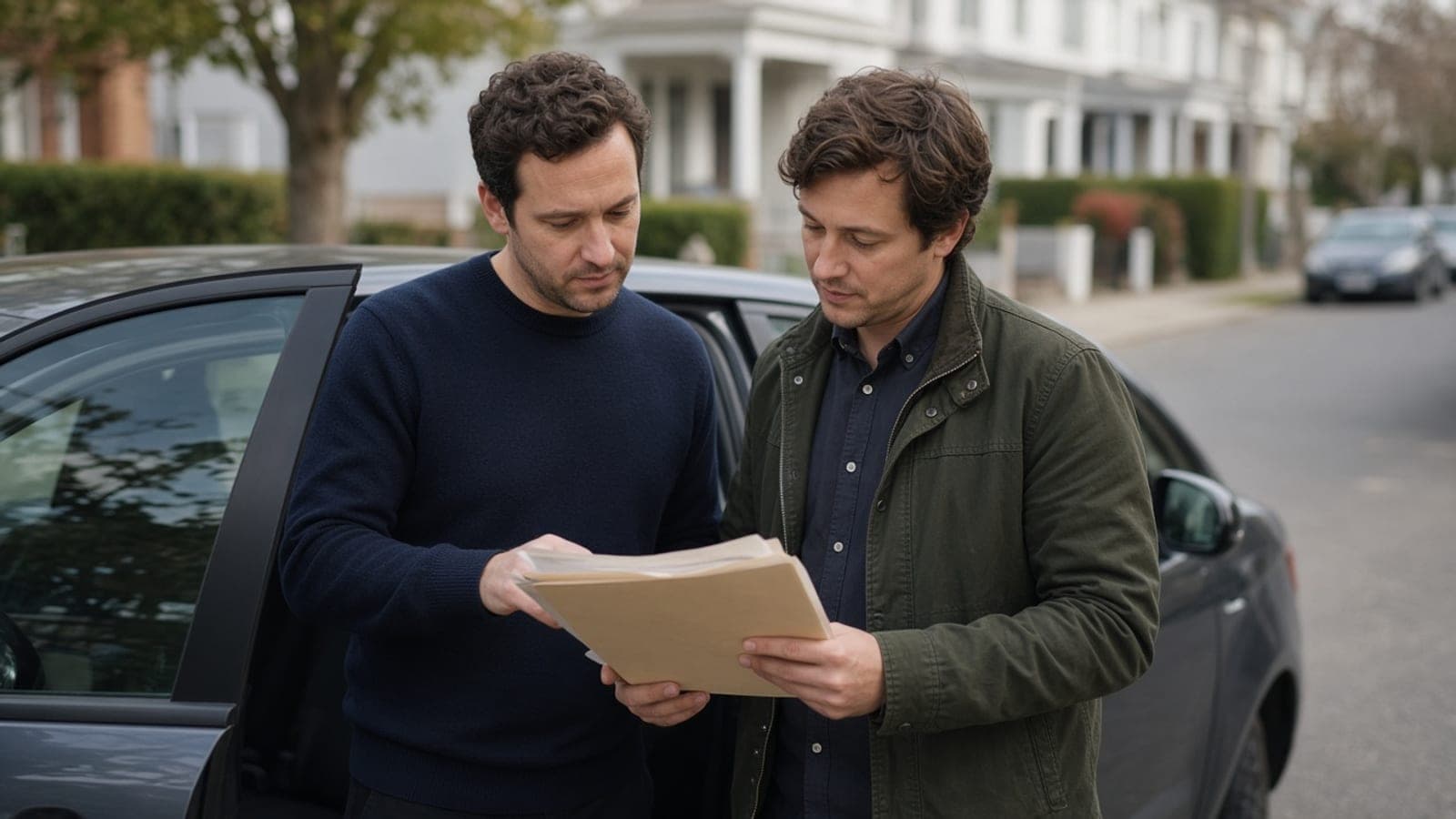
Risks of buying from a private seller
- No warranty. Any fault that appears after the sale is your problem.
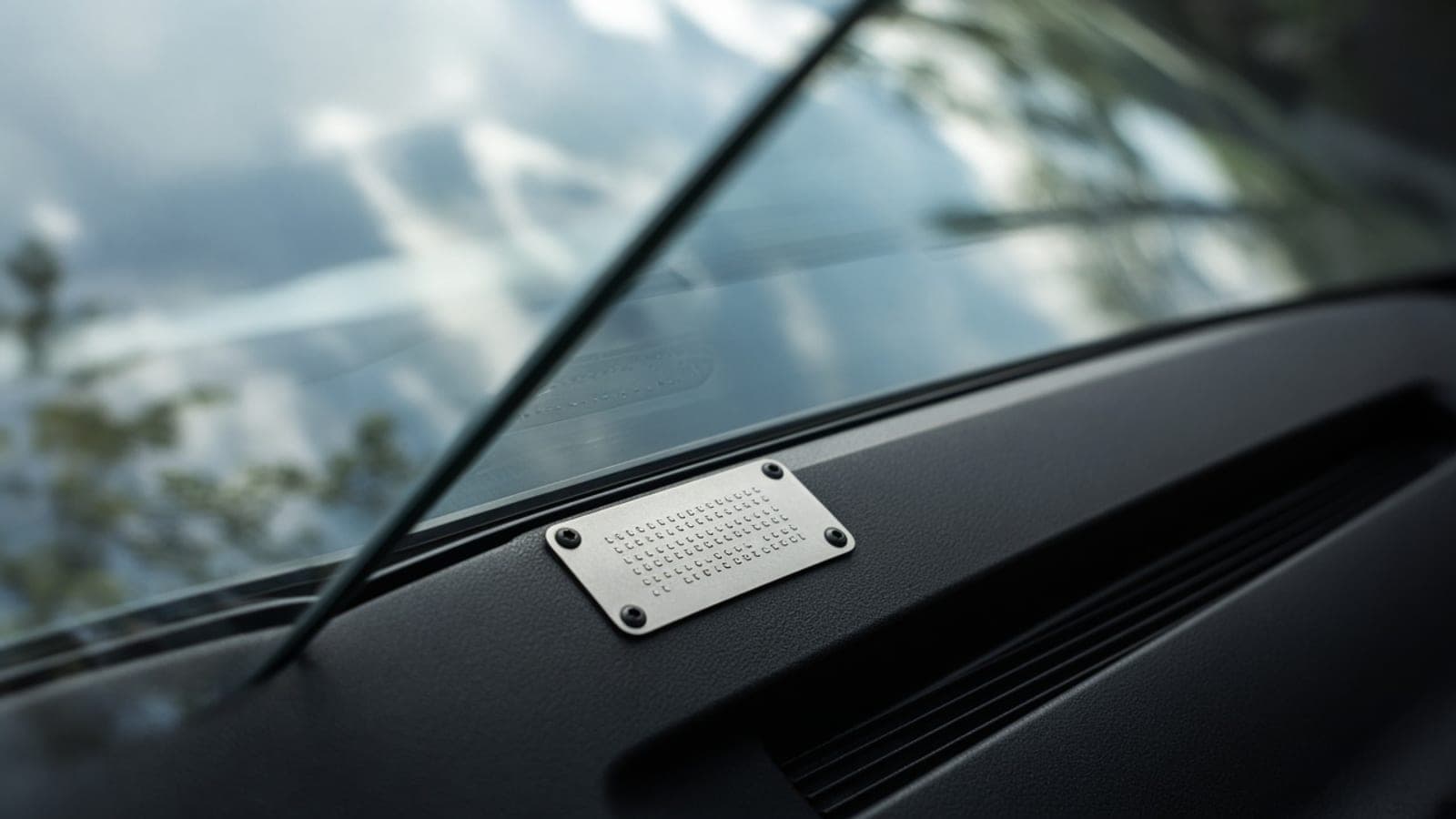
- Every check is on you. You have to verify the VIN, documents, body and engine yourself.
- Paperwork risks. The car may be under a loan, pledged, or registered to someone else. Be careful if you're offered a sale under a power of attorney (etibarnamə).
- Dealers posing as owners. Sometimes a "private seller" is really a reseller. Check by comparing the owner on the registration certificate with the seller's ID card.
How to check a dealer
- Make sure the dealer has a real address and showroom. The Dealers section lists dealerships with their addresses and all their current listings.
- The contract should state the car's VIN, price, mileage and any warranty terms.
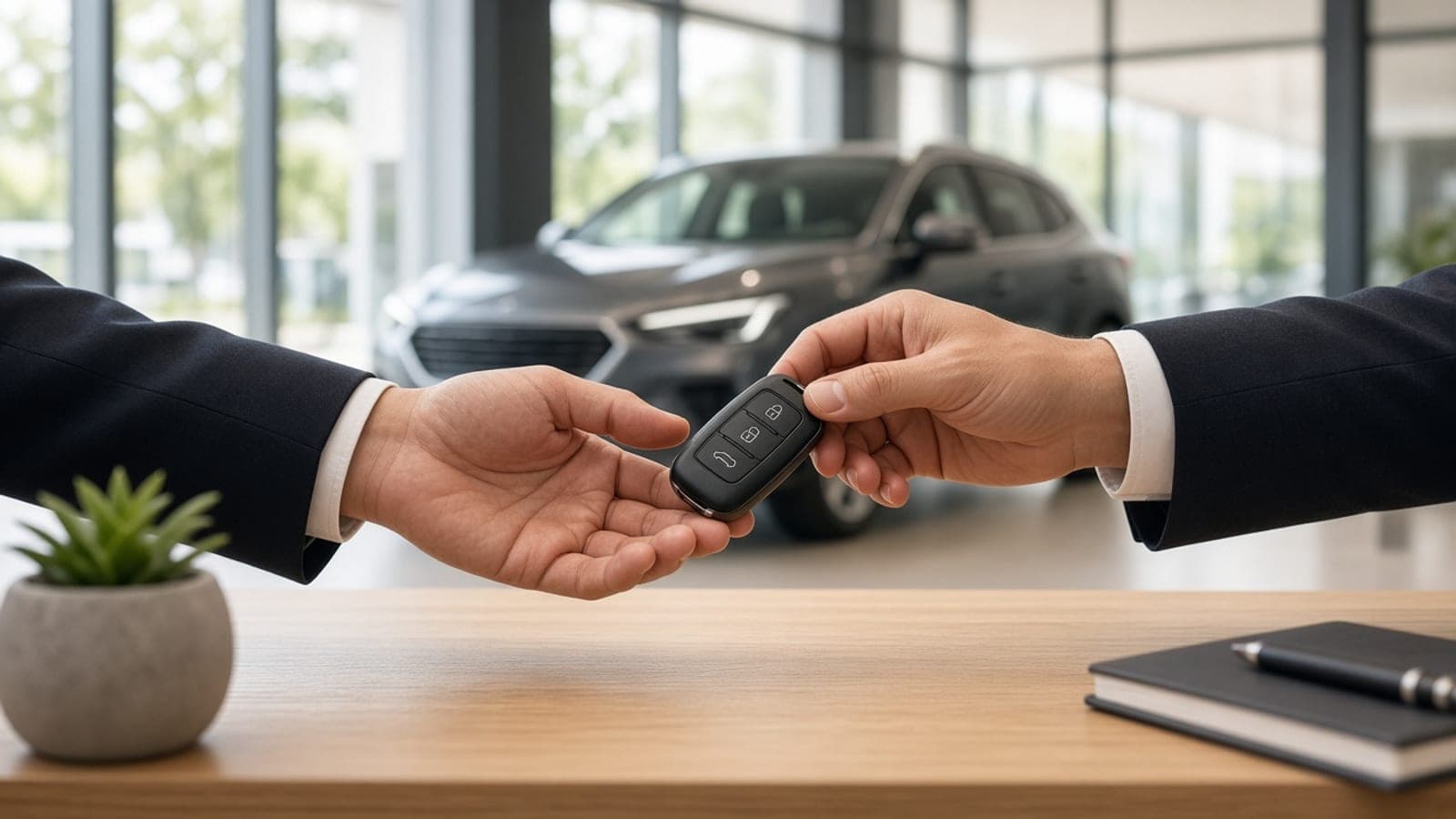
- Ask whose name the car is registered in and how ownership will be transferred to you.
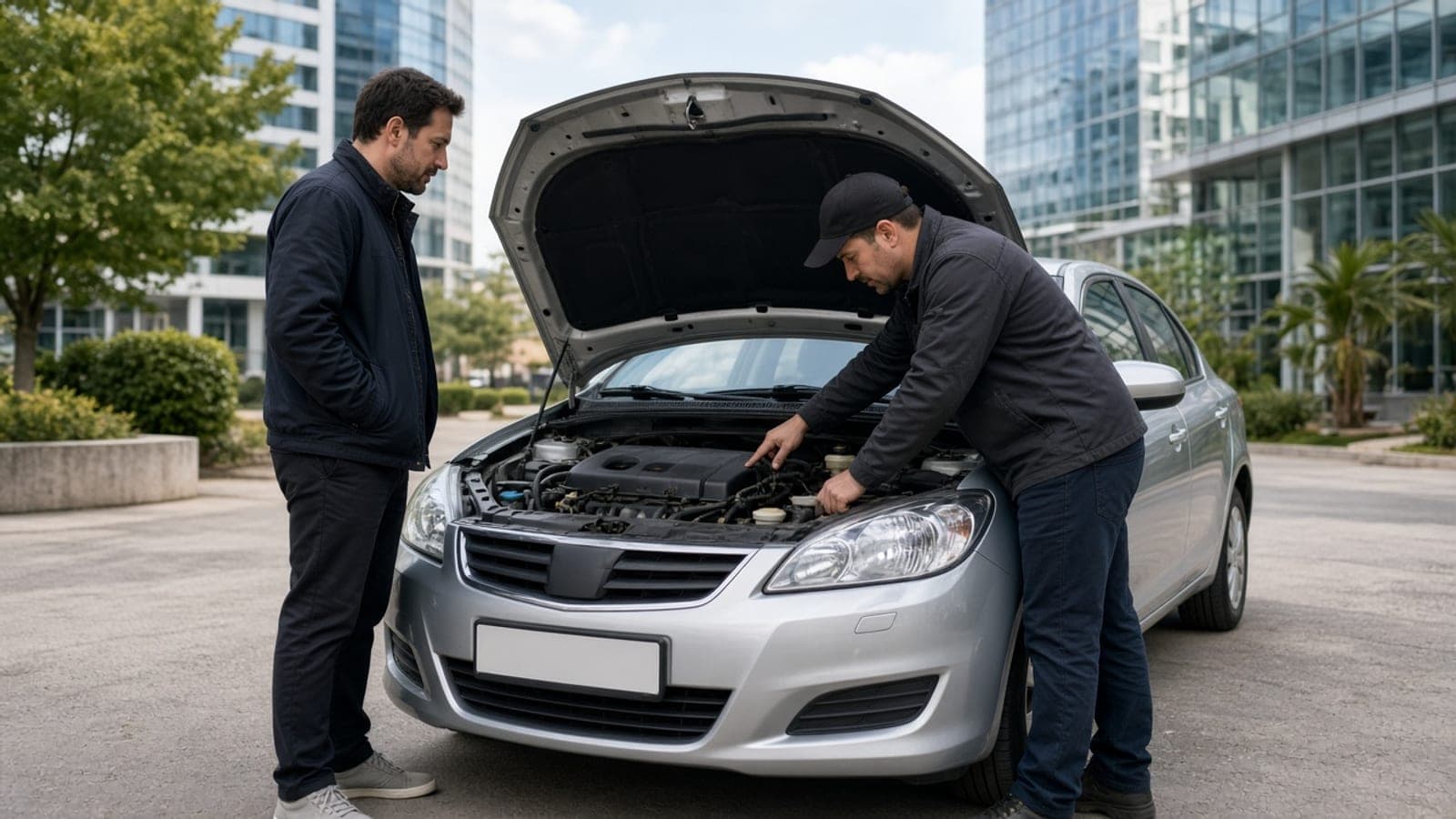
- Don't hesitate to have a dealer's car inspected at an independent garage too.
Which should you choose?
- Short on time, or need a trade-in or credit — a dealer is convenient, but may cost a bit more.
- Saving money matters and you're ready to check the car yourself — a private seller can be the better deal.
Either way, compare the price with the average market price and work through our used car buying checklist step by step.
Ready? Browse current listings.
Frequently asked questions
Is buying from a private seller always cheaper?
Often, but not always. A dealer's price includes preparation, paperwork and sometimes a warranty. Buying privately, you pay for those yourself — diagnostics, small repairs, the formalities — so compare the total cost.
Do dealers give a warranty on used cars?
Some do, usually for a limited period and on specific parts such as the engine and gearbox. Ask for what the warranty covers and how long it lasts in writing, in the contract.
Can I trade in my old car at a dealer?
Many dealers accept trade-ins: your old car's value is deducted from the price of the new one. It's convenient, but the offer for your old car is usually lower than what you'd get selling it yourself.
Can I get a loan for a car from a private seller?
Banks set different terms: some only finance purchases from partner dealers. Check with the bank before you apply, and work out the down payment in the car loan calculator.