Buying a used car in Azerbaijan: a step-by-step checklist
How to check a used car's price, VIN, body, engine and papers before buying in Azerbaijan — a step-by-step checklist and the mistakes to avoid.
Contents9
A used car can be a great deal — as long as you check it properly. This guide walks through every step from the moment you see a listing to the moment you pay. Save it on your phone and use it at the viewing.
1. Compare the price with the market
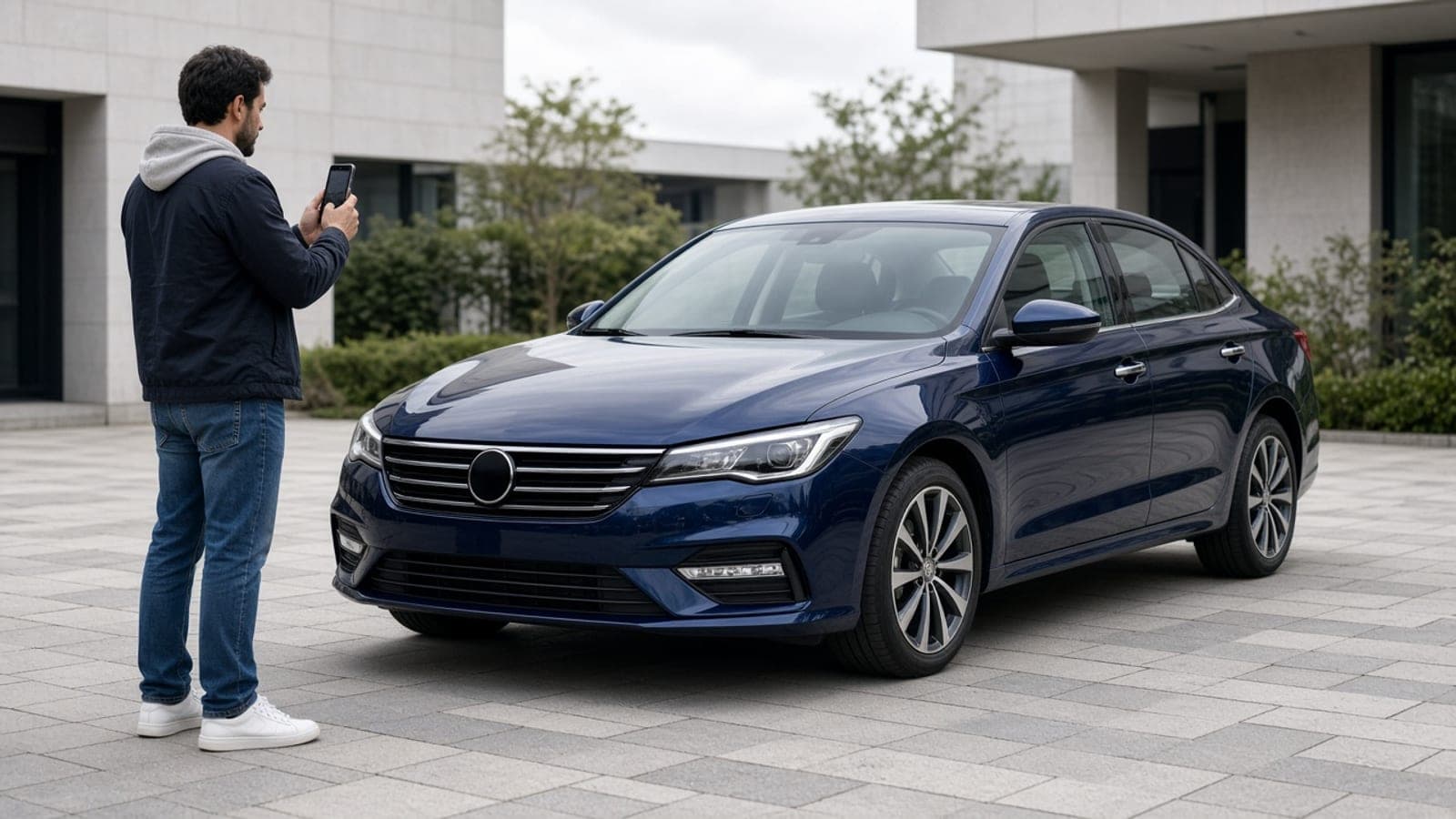
Before you go and see a car, know what it's really worth. The average market price page shows the average for the same make, model and year, and how it has moved over recent months.
- Close to the average: normal, with some room to negotiate.
- Well below the average: always ask why. It may be an urgent sale — or an accident history, very high mileage or a paperwork problem.
- Well above the average: the seller should be able to justify it with extra equipment or exceptional condition.
Listings priced below market are collected automatically under Hot deals — but they deserve exactly the same checks. A price that looks too good can also be a scam warning sign: see how to avoid car buying scams.
2. Prepare your questions before you call
The right questions on the phone save you wasted trips:
- How long have you owned the car, and how many owners has it had?
- Has it been in an accident? Which panels were repainted or replaced?
- Are there service records or oil-change receipts?
- Is the car registered in your name, or do you drive it under a power of attorney (etibarnamə)?
- Is the car under a loan, pledged as collateral or under an arrest order?
- Why are you selling?
Vague answers or pressure to decide quickly are warning signs in themselves.
3. Check the VIN
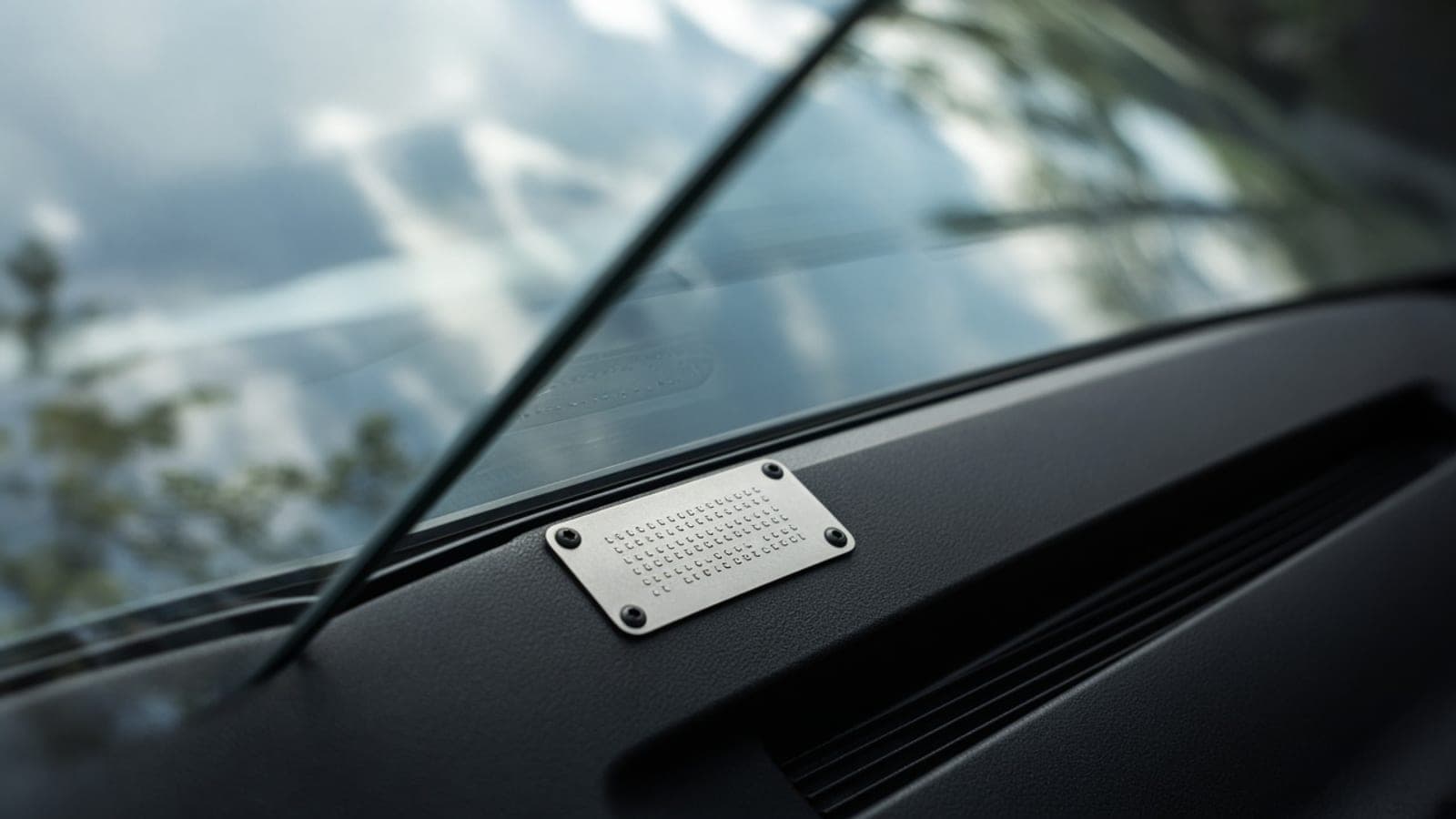
The VIN is the car's unique 17-character number. You'll usually find it at the bottom-left corner of the windscreen, on the driver's door pillar and in the engine bay.
- The VIN on the car must match the VIN on the registration certificate exactly.
- The VIN plate should show no scratches, re-gluing or welding marks.
- Run a free VIN check to read the manufacturer, model and model year, and compare them with the listing.
More detail: What a VIN is and how to check it.
4. Inspect the body and interior
Look at the car in daylight, in dry weather and when it's clean — rain and darkness hide a lot.
- Panel gaps: gaps around doors, bonnet and boot should be even on both sides.
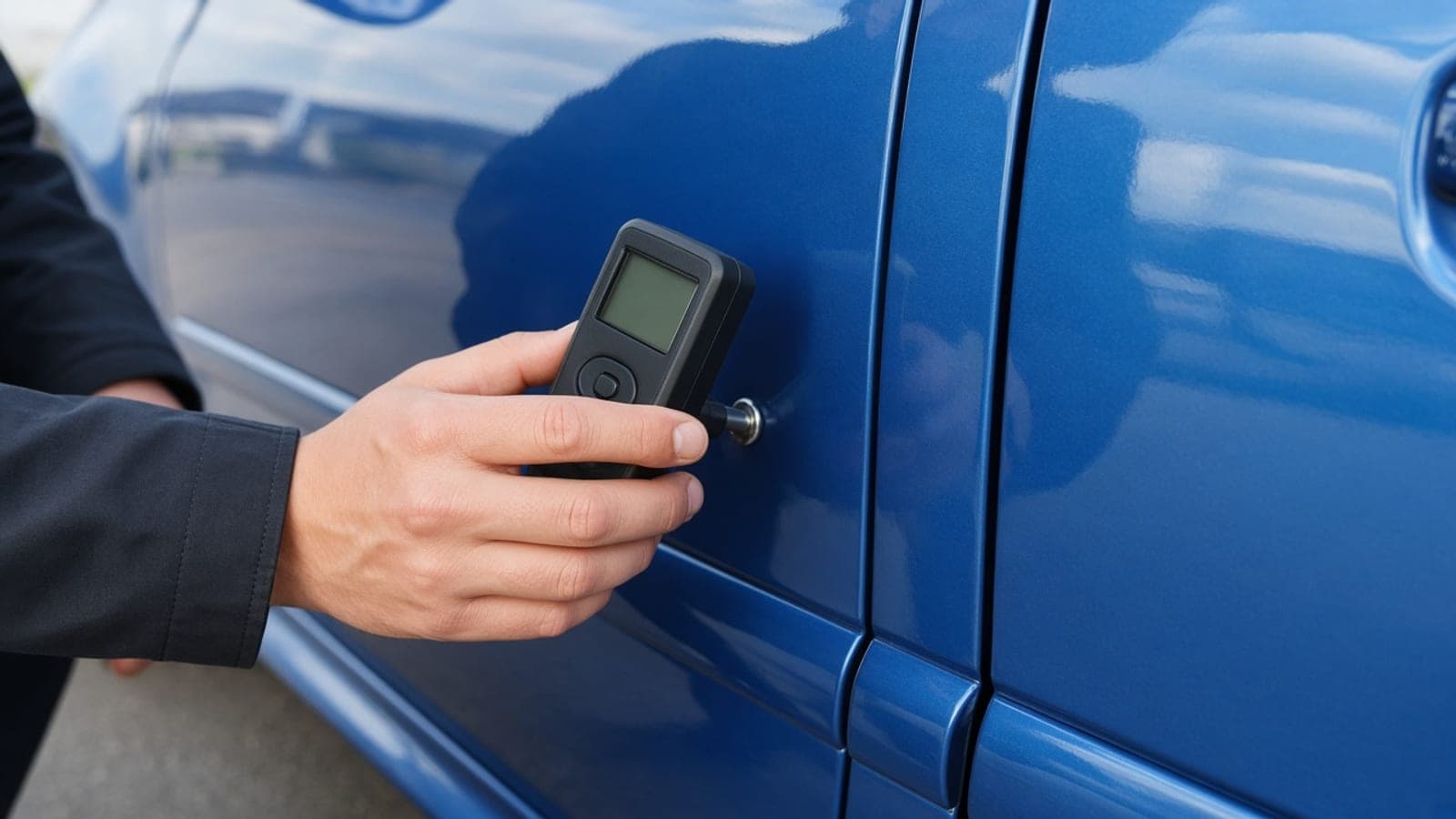
- Paint: differences in shade, paint runs or overspray on rubber seals point to a respray. A paint thickness gauge is the most reliable check.
- Rust: look at the wheel arches, door bottoms and sills.
- Glass: all windows usually carry the same production year. A different year means the glass was replaced.
- Interior: wear on the steering wheel, gear lever and driver's seat should match the stated mileage. A shiny, worn wheel on a car showing 80,000 km is suspicious.
5. Engine and test drive
If you can, start the engine from cold — a warmed-up engine hides many problems.
- No unusual noises, knocking or blue/black smoke on start-up.
- No warning lights left on the dashboard.
- Gear changes should be smooth, without jolts or delays.
- On a straight road the car shouldn't pull to one side when you loosen your grip.
- No vibration or squealing under braking.
- Check the air conditioning, windows, lights and infotainment — everything.
6. Take it to an independent mechanic
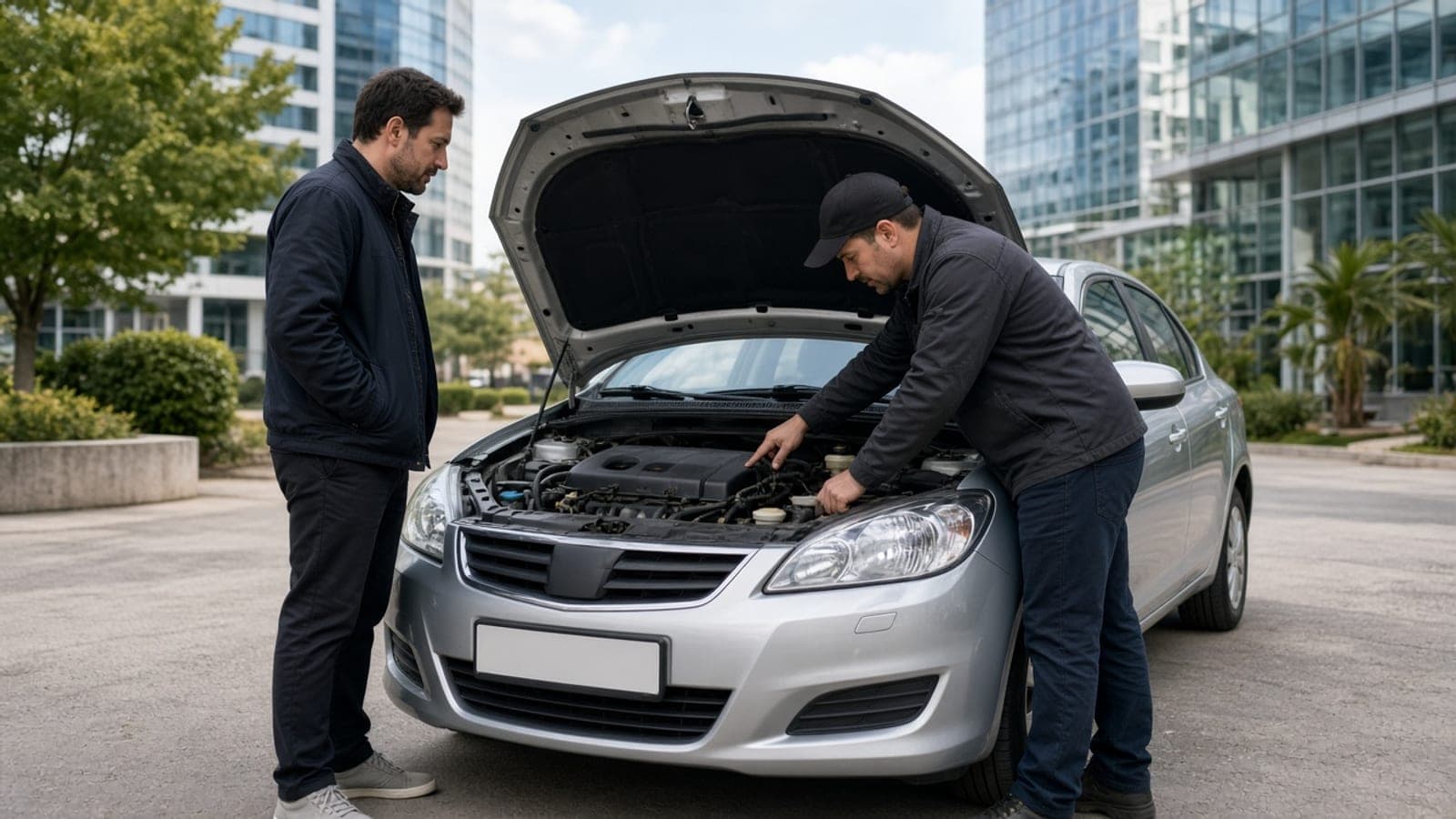
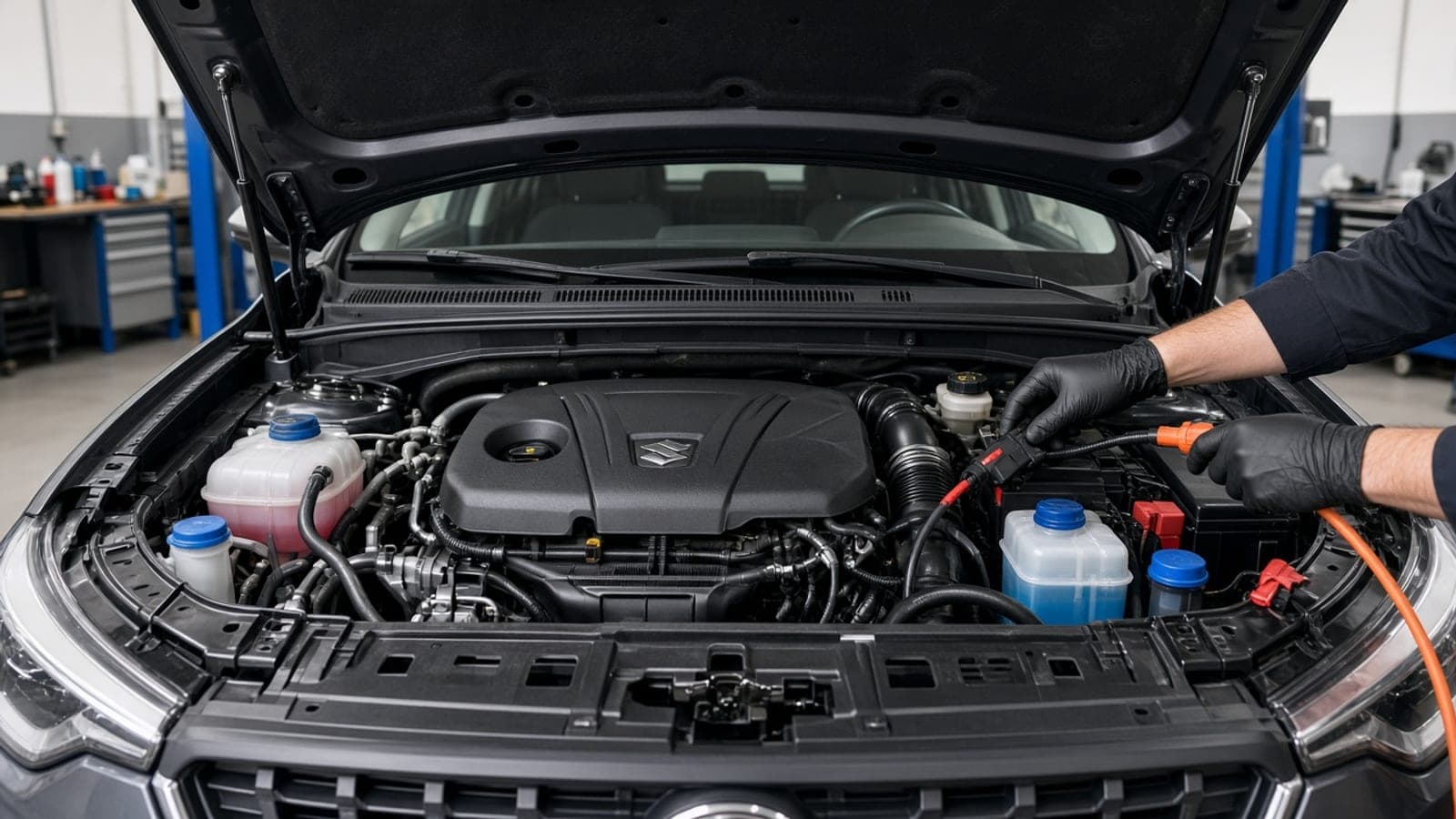
This step saves the most money. Get a computer diagnostic and an inspection on a lift at a garage you choose, not one the seller recommends. The cost is small next to the repairs it can help you avoid. If the seller refuses an inspection, be careful.
7. Documents and paperwork
- The name on the seller's ID card must match the owner on the registration certificate.
- A sale is normally formalised with a contract at a notary, after which the car is registered to the new owner.
- If you buy under a power of attorney (etibarnamə), you do not become the legal owner — understand the risks fully before agreeing.
- Don't pay the full amount until the paperwork is done.
Quick checklist
- Compare the price with the market average.
- Ask about ownership, accidents and documents on the phone.
- Match the VIN with the documents and decode it.
- Inspect the body in daylight, ideally with a paint gauge.
- Start from cold and take a test drive.
- Get a diagnostic at a garage you choose.
- Don't pay before the paperwork is complete.
Ready? Browse current listings and use this checklist to pick the right car.
Frequently asked questions
How long does a used car inspection take?
A computer diagnostic and an inspection on a lift usually take one to two hours. With the test drive and document checks, it's easier to set aside half a day per car.
What if the seller refuses to take the car to a garage?
That's a serious warning sign. An honest seller will usually agree to an inspection at a garage the buyer chooses. If they refuse, look for another car or price in the risk of hidden problems.
How can I spot a repainted panel without a paint gauge?
Look for differences in shade between panels, runs or dust specks in the paint, and overspray on rubber seals and plastic trim. Viewing the car in daylight from different angles makes the differences easier to see.
Is it risky to buy a car under a power of attorney (etibarnamə)?
A power of attorney gives you the right to drive the car, but you don't become its legal owner: the owner can revoke it, and the car can be caught up in the owner's own obligations. Whenever possible, complete a full transfer of ownership.